We'd love your feedback! Your experience on our website matters to us. If you have suggestions, comments, or notice anything that could be improved, please take a moment to share your thoughts using our feedback form. Thank you for helping us make our site better for everyone.

Minnesota Department of Transportation

511 Travel Info

Traffic Engineering

Work zone speed safety cameras in Minnesota

MnDOT is installing work zone speed safety cameras at two locations beginning in late-July 2026, as part of a pilot project to evaluate the cameras as a work zone safety device.

Work zones

About speed safety cameras

Speed safety cameras are used in other states, and have been found to be effective at reducing fatal and life-changing crashes in areas where the cameras are deployed. MnDOT’s work zone speed safety camera pilot project will test and evaluate the cameras as a work zone safety device, and how the systems work in Minnesota, and interact with people navigating Minnesota work zones.

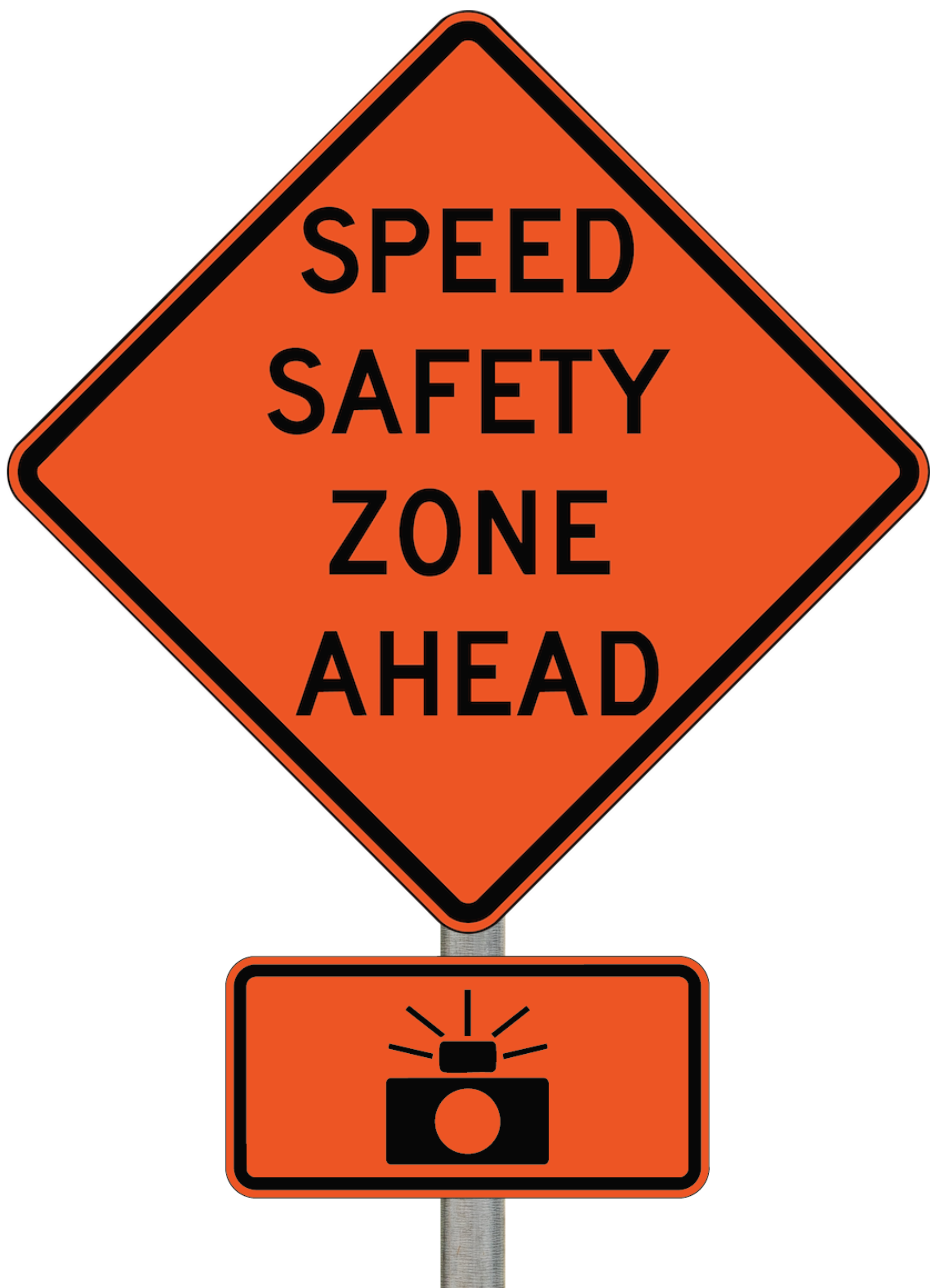
Drivers will see signs on the road to notify them where the cameras are installed and actively issuing warnings. If your vehicle is traveling over the work zone speed limit, the cameras may record the violation and you may receive a warning letter by U.S. mail.

We want to hear from you about this project, and particularly if you’ve driven through one of these work zones. All comments are encouraged, and welcomed, please use our online comment form below.

The speed safety camera systems being used for MnDOT’s pilot project work by recording images of license plates of vehicles traveling a set amount over the speed limit. In MnDOT work zones, if a vehicle is recorded by the camera going 10 mph above the work zone speed limit, a warning may be mailed to the registered owner of the vehicle. Warning letters will be mailed on the first, fifth and 10th work zone speed limit violations. No fines or citations will be issued as part of the work zone speed safety camera pilot project. The system will not identify people in the vehicle.

The main goal is to study how these devices can be effective in improving safety for everyone in Minnesota work zones.

Everyone deserves to get home safely each day, and MnDOT is committed to eliminating fatal and serious injury crashes on our roadways. Speeding in work zones – and particularly excessive speeding in work zones – puts drivers, passengers, and those working in the work zone at risk of having their lives changed instantly.

Other states have seen reductions in severe crashes and excessive speeding as a result of using speed safety cameras. Studies show vehicles traveling 10 mph or more above the speed limit decreases by as much as 88%, and crashes resulting in death or serious injury decline by 19% to 56%.

Work zone speed safety cameras are one part of Minnesota’s larger Traffic Safety Camera System Pilot Program. The pilot program authorizes MnDOT and the cities of Minneapolis and Mendota Heights to use traffic safety cameras for education and enforcement of speeding violations, traffic-control signal violations, or both, through July 31, 2029.

We want to hear your comments on the work zone speed safety camera program, both good and bad, so we know what works in Minnesota and what doesn’t. The goal of this project is to design a system that works and improves safety for all Minnesotans traveling through our work zones.

Provide comments on work zone speed safety cameras in Minnesota.

MnDOT is not authorized to install red light cameras as part of this pilot project. For information on red light cameras and their locations, contact the cities of Minneapolis and Mendota Heights.

The cities of Minneapolis and Mendota Heights are testing speed safety cameras, and may test red light running cameras, in other locations. Visit their websites for more information.

MnDOT finalized engineering standards for traffic safety camera systems in 2025. You can learn more about the standards in the documents below.

MnDOT will test speed safety cameras in up to four work zones through 2028, to evaluate the cameras as a traffic safety device. Work zones include:

Contact the cities of Minneapolis or Mendota Heights for information on their traffic pilot projects, including locations.